 Rwanda Gorilla Trekking
Home › Guides › Is Gorilla Trekking in Rwanda Safe?
Is Gorilla Trekking in Rwanda Safe?
Is gorilla trekking in Rwanda safe? For most visitors, yes: Canada rates Rwanda "take normal security precautions" and the UK warns only about parts of Rusizi District and the Lake Kivu islands. The one flag for trekkers is Canada's high degree of caution in Volcanoes National Park because it borders the DR Congo, so treks run only with RDB guides in groups of 8.
Quick answer The short answer on safety
Gorilla trekking in Rwanda runs under strict rules: 8 visitors per family, 7 metres from the gorillas and one hour, with an RDB guide briefing every group at Kinigi at 7:00 am. Canada advises a high degree of caution in Volcanoes National Park because of the DRC border, and the UK says short-notice border closures can affect treks near it.
Key takeaways
- What the UK and Canada advise about Rwanda and the park
- The park rules that keep the visit safe for you and the gorillas
- The health risks: malaria tablets, altitude and staying home when ill
- Day treks with pickup in Kigali on the rwanda gorilla trekking page
Is It Safe to Go Gorilla Trekking in Rwanda Right Now?
Yes for most of the country: Canada says take normal security precautions, and both the UK and Canada single out only areas along the DR Congo border.
Government travel advice is the official read on safety. Here is what two governments say about Rwanda and about Volcanoes National Park itself.
What the UK and Canada Say
The table sets the UK Foreign, Commonwealth and Development Office (FCDO) advice beside Canada's travel advice, as each government publishes it. Both name border areas, and only Canada names the gorilla park.
| Point | UK (FCDO) | Canada |
|---|---|---|
| Overall | No warning for most of Rwanda | Take normal security precautions |
| Areas named | Rusizi District within 10 km of the border, the Lake Kivu islands, Kamembe Airport: all but essential travel | Rubavu between roads NR11 and NR2 and the DRC border, Rusizi within 10 km of the border: high degree of caution |
| Volcanoes National Park | Not named. Short-notice border closures can affect treks near the DRC | High degree of caution: unclear border markings and rebel groups in the DRC |
| DRC border crossings | Restrictions and airport health screening linked to Ebola in the DRC | Gisenyi-Goma and Cyangugu-Bukavu closed to most travellers due to Ebola |
What It Means for a Trek
Treks start at the Kinigi headquarters at 7:00 am and stay with RDB guides inside the park, so you never walk the border area on your own. Keep the trek day simple: travel by daylight with a tour or a booked driver, carry your passport for the gate check and do not plan a side trip into the DR Congo. The FCDO adds that crime is relatively low, though bag-snatching and burglary happen in Kigali, and that terrorist attacks cannot be ruled out in places foreigners visit.
Sources: UK Foreign Office, UK Foreign Office, Government of Canada.
Is Gorilla Trekking Dangerous?
The gorillas you visit are habituated and every group goes with RDB guides, so the risks are the terrain, your health and the border area, not the animals.
The trek itself rests on three things: habituated gorilla families, guides who brief and lead every group, and a permit system that keeps groups tiny.
The gorillas are habituated
You do not trek to wild, uncontacted gorillas. The twelve families open to visitors in Volcanoes National Park are habituated, meaning they are used to being around humans. Around 1,000 mountain gorillas live in the wild, 604 of them in the Virunga Massif, and the habituated families carry names like Susa, Sabyinyo, Amahoro and Muhoza.
Habituated families accept people at a calm distance, which is what the 7 metre rule protects.
Guides Brief and Lead Every Group
Your day starts with a briefing at the RDB offices in Kinigi at 7:00 am, where expert guides explain the rules and your family is assigned. On the trail the guide sets where you stand and when you move. RDB's own instruction if a gorilla vocalizes at you: stand still, look away and follow your guide's directions.
The permit system limits numbers
Only 96 gorilla permits are issued daily in Rwanda, eight per troop per day, and the minimum age is 15 years. That means the twelve habituated families meet at most eight strangers at a time, once a day. Small, calm, predictable groups are exactly what keeps gorilla encounters safe and low stress for both sides.
You can browse current rwanda gorilla trekking options with permits and transfers built in.
Sources: Rwanda Development Board, Visit Rwanda.
What Are the Rwanda Gorilla Trekking Rules?
The Rwanda Development Board publishes a clear rule set: eight visitors per group, one hour with the gorillas, seven metres distance, no visiting while sick, no littering, low voices and no rapid movements.
These rules are not suggestions. Guides enforce them, and they protect both you and the gorillas, which catch human diseases. Here is what applies on the day.
The Rules at a Glance
RDB briefs every group on these rules at Kinigi before the trek. The table lists each rule as RDB and the Gorilla Friendly Pledge publish it, with what it means on the trail.
| Rule | Detail | What it means for you |
|---|---|---|
| Group size | Maximum 8 visitors per gorilla group | Small group, one guide, no crowding |
| Viewing time | One hour with the gorillas | Watch your clock, the guide will end the visit |
| Distance | Keep 7 metres (about 22 feet) from the gorillas | Stay behind the guide, do not step forward for a photo |
| Health | Do not visit if sick with a cold, flu or other contagious illness | Tell your guide before the trek, sick visitors may not trek |
| Spitting | Spitting in the park is strictly prohibited | Disease prevention, taken seriously |
| Behaviour | Keep your voice low, avoid rapid movements, do not litter | Calm movement keeps the gorillas calm |
| Face covering | Wear a facemask at all times under the Gorilla Friendly Pledge | Pack a clean mask in your day bag |
Sources: Rwanda Development Board, Visit Rwanda, Volcanoes National Park.
Can I Trek If I Feel Sick?
No: RDB asks anyone with a cold, flu or other contagious illness not to visit, because gorillas catch human diseases.
Health is the other half of a safe trek: the gorillas' and yours.
The Sickness Rule
Do not visit if you are sick with a cold, flu or other contagious illness, and wear a face mask near the gorillas as the Gorilla Friendly Pledge asks. Spitting in the park is strictly prohibited. Arrive rested, because a lost trek day costs the permit too.
Malaria, Vaccines and Altitude
CDC recommends prescription malaria tablets for travel anywhere in Rwanda, and hepatitis A and typhoid vaccines for most travellers. A yellow fever certificate is needed only if you arrive from a country with yellow fever risk. The FCDO notes limited medical facilities and a risk of altitude sickness, and RDB advises walking slowly and drinking plenty of water on the trek.
Rwanda announced the end of its Marburg virus outbreak, and the FCDO says a risk of re-emergence remains. In an emergency call 112 for police and 912 for medical help.
Sources: Rwanda Development Board, CDC, UK Foreign Office, Government of Canada.
What Happens If a Gorilla Charges?
Stand still, look away and follow your guide's directions, which is RDB's own instruction.
Gorillas sometimes vocalize or make a display charge when they feel crowded or protect their young. The guide handles it, and your job is to stay still.
What to Do
If a gorilla vocalizes at you or comes close, stand still, look away and follow your guide's directions. Keep the 7 metre distance, make no sudden movements and keep your voice low. The guide decides when the group moves back.
What Can Still Go Wrong
The forest can be steep, muddy and thick, and rain is common. If the group's movement prevents tracking all day, RDB gives another chance or a full refund, and if you track all day and fail to contact a family, 75% of the tracking fee is refunded. Late arrival, a missed flight or a cancellation gets nothing back.
Source: Rwanda Development Board.
Tours That Fit
Guided day treks from Kigali with free cancellation, so you can book with confidence.
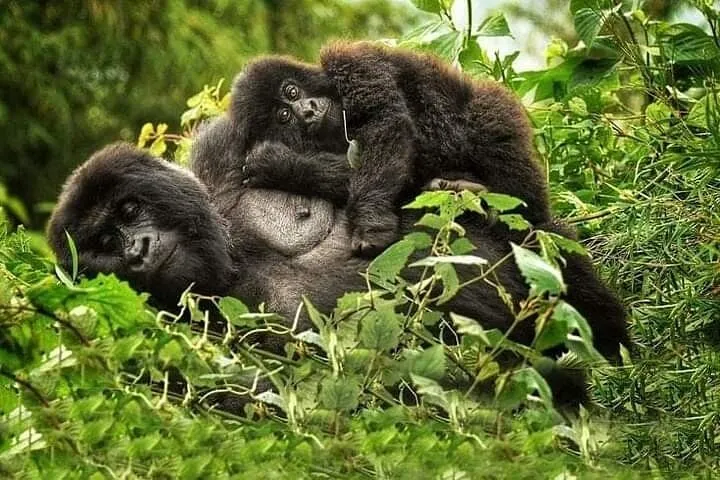 from $342
Most reviewed
1 Day Rwanda Gorilla Trekking Tour In The Volcanoes National Park
A private 12 hour Kigali day trek with 4x4 transport and meals included, but the mandatory gorilla permit is paid for separately.
Check Availability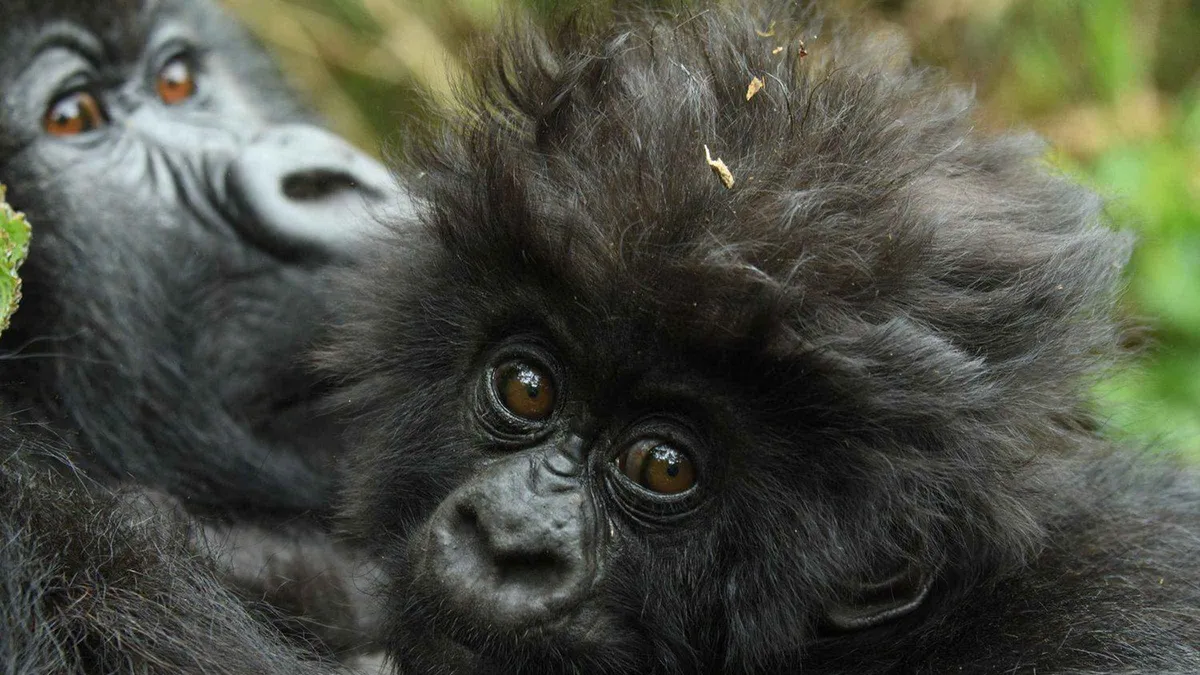 from $260
Rwanda Gorilla Trek in Volcanoes National Park
A private day trek from Kigali with a culture tour and lunch, rated 4.9, but the gorilla permit is paid separately and the operator helps arrange it.
Check Availability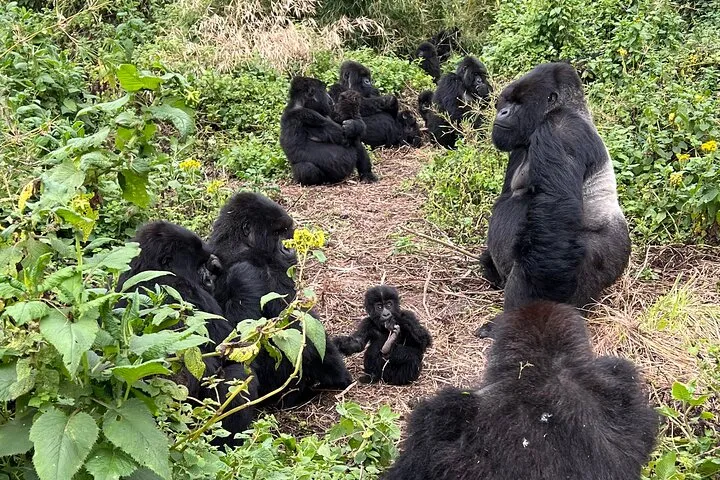 from $279.65
One Day Rwanda Gorilla Trekking Tour
Private day trip from Kigali with Dian Fossey or cultural village stop, but the gorilla permit is bought separately.
Check AvailabilityHow difficult is the trek physically?
Hikes last from 30 minutes to four or more hours at altitudes of 2,500m to 4,000m, and the difficulty depends on which family you are assigned and the weather.
Safety is not only about gorillas. The terrain itself is the most likely thing to hurt you, so knowing the physical demand matters.
What the day demands
Tracking can run between 90 minutes and the whole morning depending on the family assigned. Rwanda treks in Volcanoes National Park are usually easier than Uganda's, but families can move to higher altitudes and rain makes trails muddy and slippery. The altitude range of 2,500m to 4,000m is enough to make climbs feel harder than the same walk at sea level.
How to make it easier on yourself
Porters are available to carry backpacks and cameras and help on the route. Gumboots, raincoats and gloves can be hired at park headquarters. Sturdy hiking boots, waterproof clothing and long sleeves are recommended under the Gorilla Friendly Pledge, and RDB advises walking slowly and drinking plenty of water at altitude.
Sources: Visit Rwanda, Rwanda Development Board, Rwanda Development Board.
What Local Rules Should Trekkers Know in Rwanda?
Plastic bags, vapes and drone flights over restricted areas are banned, and the last Saturday of each month is Umuganda.
A few national rules catch visitors out more often than anything in the forest.
Rules Visitors Break by Accident
The FCDO and Canada list these for every visitor. None is hard to follow once you know it.
- Plastic bags are banned and confiscated on arrival at Kigali airport.
- Vapes and e-cigarettes are banned, and illegal drugs carry severe penalties.
- Photographing some government buildings is illegal, and flying a drone over a prohibited area without a permit risks prison or a fine.
- On Umuganda, the last Saturday of each month, most services close from 7am to 11am, so check your transfer if your trek falls on it.
- After dark many roads outside the towns are unlit, which is one more reason the one-day tours drive in the early light.
Sources: UK Foreign Office, Government of Canada.
Is Volcanoes National Park Safe to Visit?
Visits are permit-only and guided from Kinigi, and Canada advises a high degree of caution in the park because it borders the DR Congo.
The park sits in the Virunga Massif, a volcanic range spanning Rwanda, Uganda and the DR Congo, and every visit is controlled from Kinigi.
How access is controlled
You cannot wander into Volcanoes National Park on your own. Every visit starts at Kinigi headquarters with a briefing, then the group treks to the forest with its guides. Documents are verified at park entry gates, and wrong or false applications can lead to denied entry even with a paid permit.
Canada's caution for the park cites unclear border markings, which is why groups stay with their guides.
Why the permit money helps
Permit revenue funds the park, and 10% goes to the communities around it. Twelve habituated families are open to visitors, with 8 permits each a day.
Sources: Visit Rwanda, Visit Rwanda, Rwanda Development Board, Government of Canada.
What Should I Know About Booking and the Day's Logistics?
Permits cost $1,500 per person per day, only 96 are issued daily, booking is first come first served, and the day starts with a 7:00 AM briefing at Kinigi.
A safe trek is also a well-organised one, and the RDB rules around booking protect you as much as the trail rules do.
Getting There
Volcanoes National Park is a three-hour drive north from Kigali, per the official Visit Rwanda itinerary, and the FCDO warns that many roads outside the towns are unlit after dark. The one-day tours from Kigali handle the transfer: the Universal Ventures day trek at $342 per person, the Gorilla Tracking Day Trip at $260 or the Trail Trek Africa private transfer at $350, each with the permit bought separately. Tours with the permit included start at $2,650 per person.
| Rule | What it means for you |
|---|---|
| 96 permits per day | Book early, especially for peak months |
| $1,500 per person per day | Budget the permit on top of any tour price |
| Minimum age 15 | This is an adults-and-teens activity |
| No-show voids the permit | Arrive on time, no refund for no-show |
| 75% refund if no gorilla contact | A failed full-day track is not a total loss |
| 20% reschedule fee | Changing plans costs money, more so inside 7 days |
Sources: Rwanda Development Board, Visit Rwanda, UK Foreign Office.
Is Gorilla Trekking Ethical and Worth It?
Permit fees fund conservation, anti-poaching and community projects, so the trek you take is part of what keeps the gorillas safe.
Many travellers ask about safety and ethics together, and in Rwanda the two answers point the same way.
Where the money goes
Permit revenue pays for the park, and 10% goes to local communities. You can see the conservation work up close at the Ellen DeGeneres Campus of the Dian Fossey Gorilla Fund, which opened in 2022 just outside the park.
Is it worth the money
At $1,500 the permit is a serious spend, and the one-hour visit is short. Against that, you get a habituated family encountered with at most seven other people, guides the whole way, and a system that refunds 75% of the fee if tracking fails after a full day. For most travellers who make the trip to Rwanda, the hour with a gorilla family is the reason they came, and the strict rules are what make that hour possible.
Sources: Visit Rwanda, Dian Fossey Gorilla Fund, Rwanda Development Board.
Rwanda vs Uganda Gorilla Trekking: Which Is Safer?
Both run tightly regulated treks with habituated families, and the deciding factors are access, trek length and the border advice for each park.
Safety is close between the two, so access and trek length usually decide. The full comparison is in Rwanda vs Uganda gorilla trekking.
Where Rwanda wins
The drive from Kigali to the park is about three hours, so a gorilla trek fits into a single long day. Rwanda treks run 30 minutes to four or more hours, and twelve habituated families with 96 daily permits mean decent availability for those who book ahead.
Where Uganda offers more
Uganda treks last 2 to 7 hours, and Uganda also sells a Gorilla Habituation Experience at $1,500 for foreign non-residents, a longer visit with a family still being habituated.
Sources: Visit Rwanda, Uganda Wildlife Authority, Uganda Wildlife Authority.
Rwanda Gorilla Trekking Safety FAQ
Is it safe to go gorilla trekking in Rwanda right now?
For most of Rwanda, yes: Canada says take normal security precautions. Canada asks for a high degree of caution in Volcanoes National Park because of the DRC border, so trek with RDB guides and a booked transfer. The government advice is set out above.
Is Volcanoes National Park safe for tourists?
Visits are permit-only, start with a 7:00 am briefing at Kinigi and stay with RDB guides, and documents are checked at the gate. Canada flags the park for a high degree of caution because of the DRC border. See the park section.
What happens if a gorilla charges my group?
Stand still, look away and follow your guide's directions, as RDB instructs. Make no sudden movements and keep your voice low. More in what to do.
Can children join a gorilla trek?
No. The minimum age for gorilla tracking in Rwanda is 15 years, set by the Rwanda Development Board. Golden monkey treks take children from 12, see golden monkey trekking.
Do I need to wear a mask during the trek?
Yes. The Gorilla Friendly Pledge asks visitors to wear a facemask at all times, maintain physical distance and leave no waste in the park. The rules table lists the rest.
What if I do not see gorillas on my trek?
If you track all day but fail to contact a gorilla family, 75% of the tracking fee is refunded. If the group's movement prevents tracking all day, you get another chance or a full refund. The permit guide has the full refund rules.
How many permits are issued each day?
Only 96 gorilla permits are issued daily in Rwanda, eight per troop per day, so book early through the RDB portal or an operator (how the permit works).
What should I wear for a safe trek?
Hiking boots or sturdy shoes, waterproof clothing, long sleeves and gloves are recommended, and gumboots, raincoats and gloves can be hired at park headquarters. See what to wear for gorilla trekking in Rwanda.
More Guides
- Rwanda vs Uganda Gorilla Trekking: Which Should You Choose?
Rwanda vs Uganda gorilla trekking in 2027: permits, the 1-hour visit, trek length and access from Kigali compared. Pick your country.
- How Much Is a Gorilla Trekking Permit in Rwanda?
Rwanda gorilla permits cost $1,500 in 2027, with 96 permits daily and a 07:00 briefing at Kinigi. See full prices, rules and how to book.
- Uganda Gorilla Trekking from Kigali
Uganda gorilla trekking from Kigali in 2027: a 1-day trip and a 4-day Rwanda and Uganda tour, the permit, the border and trek times compared.