 Rwanda Gorilla Trekking
Home › Guides › When Is the Best Time for Gorilla Trekking in Rwanda?
When Is the Best Time for Gorilla Trekking in Rwanda?
The best time for gorilla trekking in Rwanda is the long dry season from June to September, when trails are firm and permits are the scarcest. Gorillas live in the same forest all year, and January and February, a drier spell many trekkers favour, work almost as well.
Quick answer Best months, permit price and how far ahead to book
The best time for gorilla trekking in Rwanda is June to September, the driest stretch of the year, followed by January and February. A gorilla permit costs $1,500 per person per day according to Visit Rwanda, and only 96 permits are issued daily in Rwanda. Dry-season permits sell out many months ahead, so the month you travel is often decided by permit availability before weather.
Key takeaways
- See the rwanda gorilla trekking tours and which include the permit
- See the 1 Day Rwanda Gorilla Trekking Tour In The Volcanoes National Park for a full trek day
- Check the Private Gorilla Trekking Transfer to Volcanoes N.Park if you already hold a permit
- Read the Rwanda Gorilla Trek in Volcanoes National Park as a budget day-tour choice
What is the best month to see the gorillas in Rwanda?
June through September is the prime window, with January and February a close second.
Volcanoes National Park sits between 2,400 m and 4,507 m, so the forest is cool and damp at any time of year. What changes by month is mostly rain underfoot and how fast permits disappear.
Month by month in Volcanoes National Park
Visit Rwanda gives one dry season, June to mid-September. The heaviest rain falls in March, April and May, and the short rains fall around October to December. January and February are usually fairly dry and are often thought of as low season. Gorillas can be tracked at any time of year because their movements do not follow the seasons, so your choice is about trail conditions and crowds, not gorilla presence.
The park receives nearly 2,000 mm of rain in an average year, spread across all twelve months. Even in the dry season, pack for wet weather.
Rwanda Meteorology Agency describes the rainy seasons as March to May and October to December, a slightly wider reading than some travel sites. The practical takeaway is the same: the middle of the year is the driest and the weeks around April and November are the wettest.
| Month | Season | What to expect |
|---|---|---|
| January | Dry, low season | Fairly dry, fewer visitors, permits easier to find |
| February | Dry | Dry trails, shoulder crowds rise toward March |
| March | Rains begin | Wet trails, light crowds, green forest |
| April | Wettest | Peak rain, muddiest trails, lowest demand |
| May | Rain easing | Shoulder month, lower lodge rates |
| June | Dry season starts | Firm trails, permits sell out early |
| July | Dry, peak | Peak demand, book up to a year ahead |
| August | Dry, peak | Kwita Izina gorilla naming ceremony at the park |
| September | Dry, shoulder | Still dry, crowds thin from late in the month |
| October | Short rains near | Wet days return, migratory birds arrive |
| November | Short rains peak | Wettest short season, quiet trails |
| December | Dry season opens | Dry from mid-month, festive demand rises |
August has an extra reason to go
August brings Kwita Izina, Rwanda's annual gorilla naming ceremony, held at Volcanoes National Park. It is a national celebration of newborn gorillas, and it lands in the middle of the driest season. Pair it with your trek if your dates allow.
Source: Rwanda Meteorology Agency.
What is the weather like for trekking in Volcanoes National Park?
Expect a mean daily temperature around 15 C (59 F), cold nights near 6 C (43 F), and rain on the trails in every season.
The trek happens at 2,500 m to 4,000 m on volcanic slopes, so the climate feels more like a mountain hike than an African savannah safari.
Temperature and rain figures
Volcanoes National Park has a mean daily temperature around 15 C (59 F) and a mean night-time temperature of 6 C (43 F). At altitude, temperatures can drop to about 10 C (50 F). Annual rainfall approaches 2,000 mm, with March and April the wettest months and a second rainy peak in November.
Hikes last anywhere from 30 minutes to four or more hours, and tracking can run from 90 minutes to the whole morning depending on the family you are assigned. Start early: you report at 07:00 at the RDB offices in Kinigi for the briefing. Bring waterproof clothing, long sleeves, gloves and hiking boots. Gumboots, raincoats and gloves can be hired at park headquarters if you arrive unprepared.
| Factor | Figure |
|---|---|
| Elevation range | 2,400 m to 4,507 m |
| Mean daily temperature | 15 C (59 F) |
| Mean night temperature | 6 C (43 F) |
| High altitude lows | about 10 C (50 F) |
| Annual rainfall | nearly 2,000 mm |
| Wettest months | March and April, rainy peak in November |
| Trek length | 30 minutes to four or more hours |
| Briefing time | 07:00 at Kinigi |
Do Treks Go Ahead in the Rain?
Yes. Rain is not a reason RDB gives for a refund, so plan to trek whatever the sky does. Raincoats and gumboots can be hired at park headquarters, and the gorillas stay in the forest in every season, so rain changes your comfort, not your chances.
Sources: Visit Rwanda, Rwanda Development Board.
How far in advance should I book my permit?
Book six months ahead for the dry seasons, and up to a year for June to August, because permits sell out long before the travel date.
Permit availability, not weather, is the real constraint on when you can trek. Only 96 permits are issued daily in Rwanda, eight per troop per day, shared across twelve habituated gorilla families open to tourists.
Booking rules and lead times
In peak months permits can sell out over a year in advance, so the best time to go is often simply when you can get a permit. Shoulder months such as May, September, December and March are easier on both availability and crowds. For peak season or large groups, book six months or more ahead, and up to a year for June to August.
The RDB advance booking system lets you pay 40% to 99% of the visiting fee when a slot is available, with the balance due before 30 days to confirm the permit. Processing takes about one day and cash payment at the park is not permitted. A no-show on the visiting date makes the permit void, and no refund is made for late arrivals, flight delays or cancellation for any other reason. Rescheduling a confirmed permit costs a 20% processing fee, approved automatically more than 7 days out and subject to RDB approval within 7 days.
| Booking fact | Detail |
|---|---|
| Daily permits | 96 in Rwanda, 8 visitors per gorilla group |
| Habituated families | 12 open to tourists |
| Peak lead time | 6 months or more, up to a year for June to August |
| Advance booking deposit | 40% to 99%, balance before 30 days |
| Minimum age | 15 years |
| Viewing time | one hour |
| No-show | permit expires, no refund |
A season that can cut the permit price
There is one way to save on the permit itself. The RDB low season discount offers 30% off gorilla trekking permits from November to May, for combined trips that include at least two nights in Akagera and/or Nyungwe with a paid activity, one discounted permit per 3-day/2-night stay. The page shows no program year, so whether it runs for the coming low season is not confirmed, and you should verify on the RDB portal before planning around it.
Sources: Visit Rwanda, Rwanda Development Board, Rwanda Development Board, Rwanda Development Board.
How do crowds differ between peak and low season?
June to August is the busiest window with permits booked a year out, while March to May brings fewer tourists, greener forest and muddier trails.
Crowd levels follow the rain calendar closely, and they affect both permit competition and how busy Kinigi feels on trek morning.
Peak, shoulder and low season compared
Peak season runs through the June to September dry season, with a second busy spell over the year-end holidays and into February. Shoulder periods either side of the rainy season mean lower prices, lighter crowds and easing rains. In the rainy season you may trek in groups of about three per gorilla group instead of eight, because demand is thin, and lodges cut their rates.
The trade-offs are honest ones. March, April and May bring the year's heaviest rain, so trails are muddier and the forest wetter. In return you get quieter paths, lush green scenery and easier permits. The gorillas are always there.
| Season | Months | Crowds | Trails | Permits |
|---|---|---|---|---|
| Peak dry | June to September | Busiest | Firmest | Sell out up to a year ahead |
| Holiday peak | Late December to February | High | Dry | Book many months ahead |
| Shoulder | May, September, March | Lighter | Mixed | More available |
| Long rains | March to May | Fewest | Muddy | Widely available |
| Short rains | October to December | Few | Wet | Widely available |
Weather patterns are getting less predictable
Global warming has affected weather patterns in Africa, making it harder to predict exactly when the wet and dry seasons begin and end. Treat the month table as a pattern rather than a promise, and judge your month by permit availability first and weather second. That rule holds no matter which season you pick.
Tours That Fit
Day tours that run from Kigali in any season, permit bought separately.
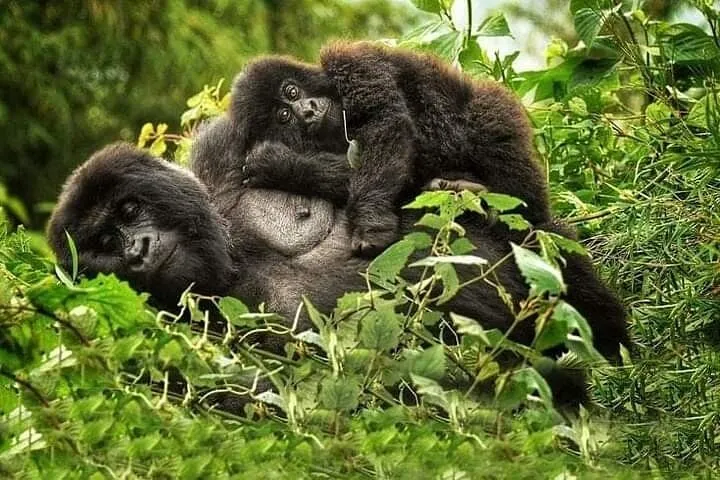 from $342
Most reviewed
1 Day Rwanda Gorilla Trekking Tour In The Volcanoes National Park
A private 12 hour Kigali day trek with 4x4 transport and meals included, but the mandatory gorilla permit is paid for separately.
Check Availability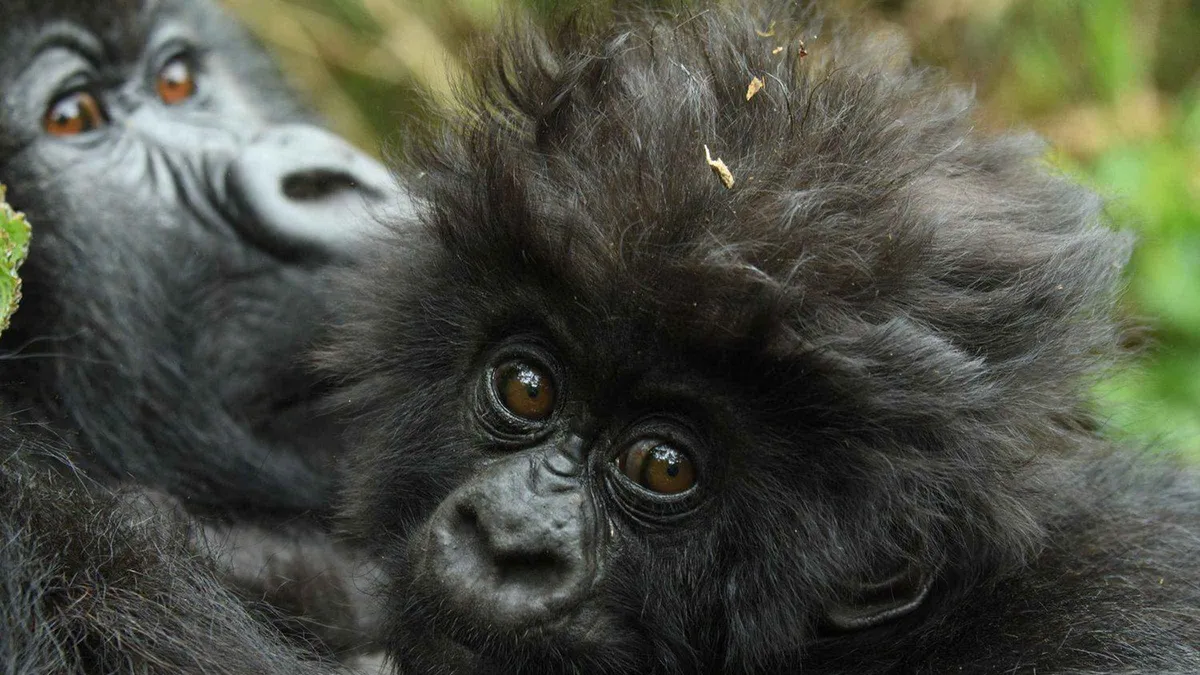 from $260
Rwanda Gorilla Trek in Volcanoes National Park
A private day trek from Kigali with a culture tour and lunch, rated 4.9, but the gorilla permit is paid separately and the operator helps arrange it.
Check Availability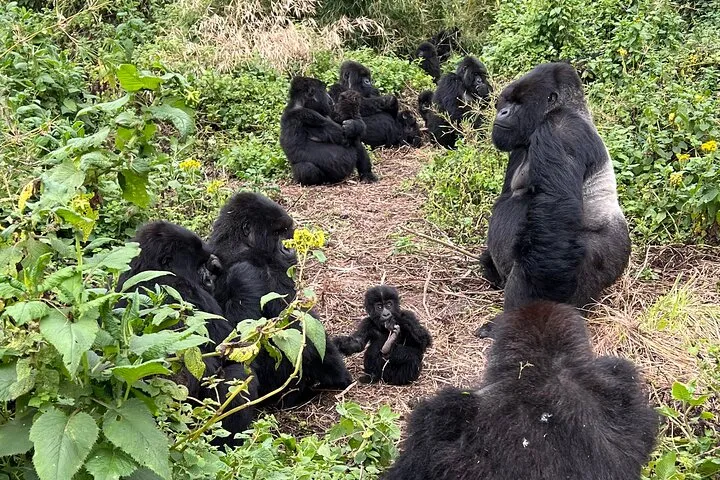 from $279.65
One Day Rwanda Gorilla Trekking Tour
Private day trip from Kigali with Dian Fossey or cultural village stop, but the gorilla permit is bought separately.
Check AvailabilityRwanda or Uganda for gorilla trekking timing?
The best months are the same in both countries because Volcanoes and Mgahinga share one transnational gorilla population.
If you are weighing the two countries, the calendar will not decide it for you, since they share the same forest block and the same dry seasons.
What the seasons mean across the border
The best time is identical in Uganda because Volcanoes National Park and Mgahinga sit on the same Virunga Massif and share one gorilla population. The seasons match on both sides of the border. Uganda does cut its permit to $600 in April, May and November, per the Uganda Wildlife Authority.
What does differ is the trek day. From Kigali it is a stunning three-hour drive north to Volcanoes National Park, which makes a one-day Rwanda trek realistic. The rwanda gorilla trekking day tours are built around that Kigali transfer.
| Factor | Rwanda | Uganda |
|---|---|---|
| Best months | June to mid-September, then January and February | Same seasons, shared Virunga forest |
| Permit price by season | Same year round | $600 in April, May and November |
| Transfer from main airport | Three-hour drive from Kigali | Longer road transfer from Entebbe |
Timing Around Other Trips
If Rwanda is one stop on a wider itinerary, anchor your gorilla dates to permit availability first, then fit the rest around them.
Source: Visit Rwanda.
How much does it cost to track gorillas in Rwanda?
A gorilla permit for a foreign non-resident costs $1,500 per person per day, and the permit is bought separately from your tour.
Season does not change the Rwanda permit price. The cost question is really about what you pay on top of the permit.
Permit price and what it does not include
According to Visit Rwanda, gorilla permits cost $1,500 per person per day, and the price is the same in Rwanda even during the low season. The RDB portal states the same $1,500 foreign non-resident rate, with promotional rates of $500 for foreign residents in Rwanda and $200 for Rwandan and East African citizens that do not apply from June to October. Ten percent of permit revenue goes to local communities.
If you track all day but fail to contact a gorilla family, 75% of the tracking fee is refunded, and if the group's movement prevents tracking all day you get another chance or a full refund. What the permit covers beyond the trek is not stated on the official pages, so treat guides, porters and tips as separate. Porters are available to carry backpacks and help on the route, though no fee is printed on the official pages.
The one-day tours from Kigali handle the logistics while you buy the permit separately: the Universal Ventures day trek costs $342 per person, the Gorilla Tracking Day Trip $260 and the Afri Safaris day trek $279.65. Tours that include the permit, such as Shalom Safaris at $2,650 per person, price it in for you.
| Season | Rwanda permit | Notes |
|---|---|---|
| Any season | $1,500 per person per day (foreign non-resident) | No seasonal discount on the standard rate |
| November to May | 30% off with the RDB low season discount | Only with a qualifying Akagera/Nyungwe add-on, program year not confirmed |
Is gorilla trekking worth the money?
Worth is personal, but the numbers support the case: 10% of permit revenue goes to local communities, only eight visitors share each gorilla family per day, and you get a guaranteed hour with the group. If no gorilla family is contacted despite a full day of tracking, 75% of the fee comes back to you, which limits the downside of the investment.
Sources: Visit Rwanda, Rwanda Development Board, Rwanda Development Board.
What changes between the two dry and two wet seasons?
The permit price stays at $1,500 in every season, so the seasons change your trails, crowds and lodge rates rather than the government fee.
Seasons move four things for a trekker: trail condition, crowd levels, lodge pricing and what you pack.
Dry versus wet season for the trek day
In the dry seasons the trails are firmer and the undergrowth thinner, which can shorten your hike to the gorillas. In the wet months the forest is at its greenest, birdlife peaks with migratory species arriving, and you will earn your hour with the gorillas through deeper mud. Groups are sometimes smaller in the rains, about three trekkers per gorilla group instead of eight, and lodges cut their rates.
Pack differently by season. For any trek you need hiking boots or sturdy shoes, waterproof clothing, long sleeves and gloves, as recommended in the Gorilla Friendly Pledge. In the rainy season add a heavier rain jacket, or hire one at headquarters. Face masks are worn at all times near the gorillas, and no litter or waste is left in the park. Do not visit if you have a cold, flu or other contagious illness.
| Aspect | Dry season (June to mid-September) | Wet season (March-May, October-December) |
|---|---|---|
| Trails | Firm, faster hikes | Muddy, slower hikes |
| Crowds | Peak demand | Fewer tourists |
| Lodges | Peak rates | Rates cut |
| Vegetation | Thinner undergrowth | Lush and green, migratory birds |
| Permits | Book 6 to 12 months ahead | Easier to secure |
| Rain gear needed | Yes, pack it anyway | Essential, or hire at headquarters |
Beyond the gorillas, season by season
The wet seasons bring migratory birds to the forest. Golden monkey tracking runs once a day, reporting at 07:00 at Kinigi, with a minimum age of 12 and up to 16 people per group. The Ellen DeGeneres Campus near the park opens every day from 9 a.m. until 5 p.m., with last entry at 4 p.m., a good wet-weather addition before or after your trek.
Sources: Visit Rwanda, Rwanda Development Board, Dian Fossey Gorilla Fund.
Is gorilla trekking in January a good idea?
Often yes: January is usually fairly dry and many operators treat it as a quieter month, though Meteo Rwanda counts the short rains into December.
January combines dry trails with lighter demand, which makes it one of the easier months to book.
Why January and February work
January and February are usually fairly dry and are often thought of as low season, so permits are easier to find and lodges are quieter than in the June to August peak. The gorillas are in the forest as always, and the one-hour visit and 7 meter (about 22 feet) distance rule apply in every month. If your travel dates are fixed and short notice, January or February is often the smoothest dry-season choice.
Source: Rwanda Development Board.
Best Time For Gorilla Trekking In Rwanda: FAQ
What is the best month to see the gorillas in Rwanda?
June to mid-September, the dry season, with January and February as a strong second. Trails are firm and the forest is easiest to walk, but permits sell out many months ahead. See rwanda gorilla trekking options for any month.
How much does it cost to track gorillas in Rwanda?
A permit costs $1,500 per person per day for a foreign non-resident, per Visit Rwanda, and the price is the same in every season. Day tours such as the 1 Day Rwanda Gorilla Trekking Tour In The Volcanoes National Park at $342 per person are booked on top, with the permit bought separately.
Can you wear blue in Rwanda?
The official gorilla trek guidance names no colour rule. It asks for sturdy shoes, waterproof clothing, long sleeves and gloves, so pick layers for mud and rain. More in what to wear.
Is gorilla trekking worth the money?
Most travellers who finish the trek say yes: you get a full hour with a habituated family, only eight visitors per group per day, and 10% of permit revenue goes to local communities. If no family is contacted all day, 75% of the tracking fee is refunded.
Do gorilla treks go ahead in the rain?
Plan on it. RDB lists no refund for weather, only for a full day of tracking without finding the gorillas, and raincoats and gumboots can be hired at headquarters. The weather section has the figures.
How many people trek per gorilla group in each season?
The maximum is 8 visitors per group in any season, though in the rainy season you may trek in groups of about three because demand is low.
What is the best time to visit Volcanoes National Park beyond the gorillas?
June to mid-September is best overall, while the wet months of March to May and October to December bring migratory birds. August adds the Kwita Izina gorilla naming ceremony.
How far ahead should I book for the dry season?
Six months or more for peak season or large groups, and up to a year for June to August. Permits can sell out over a year in advance in the busiest months, so the best time often comes down to when a permit is available.
More Guides
- Rwanda Gorilla Trekking Packages with the Permit Included
Gorilla trekking packages with the permit included for 2027: 3 one-day treks from Kigali, 1 hour with the gorillas, cancellation terms compared.
- What to Wear for Gorilla Trekking in Rwanda
Kit list for Volcanoes National Park 2027: boots, gaiters, gloves, rain jacket for hikes of up to 4 hours at 2,500 to 4,000m. Plan your outfit now.
- 2 and 3 Day Gorilla Trekking Tours in Rwanda
2 and 3 day gorilla trekking tours from Kigali for 2027: lodge nights, golden monkeys and which permits each price covers. Compare both trips.